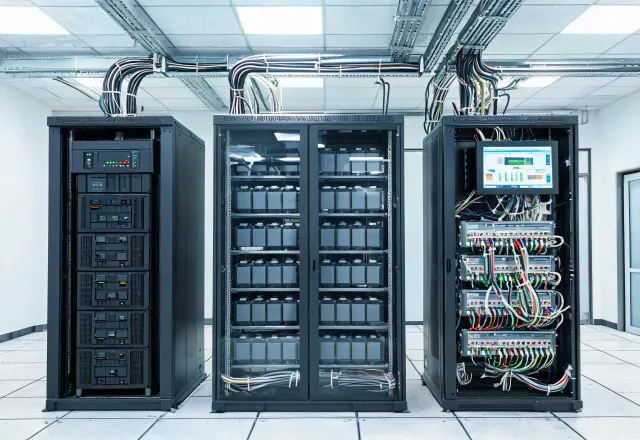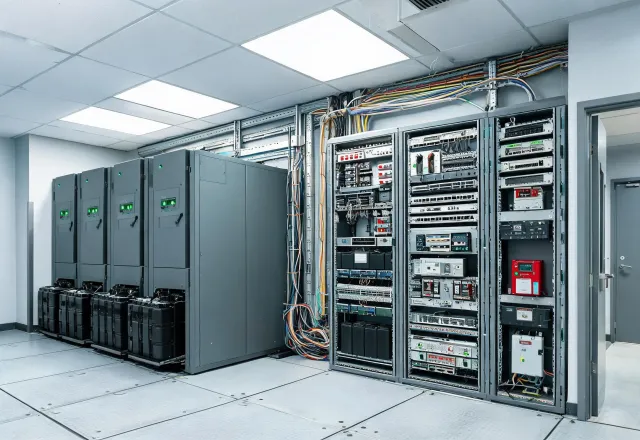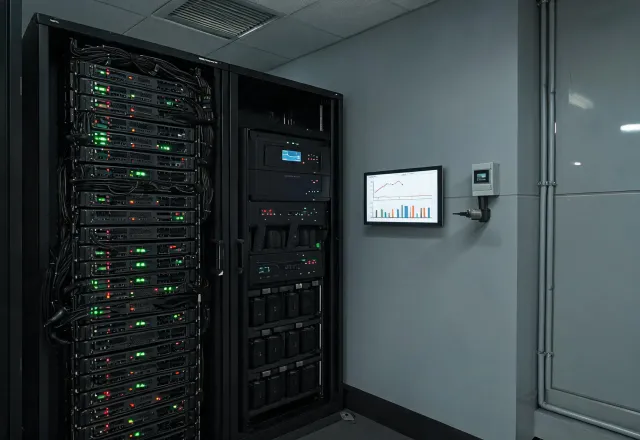
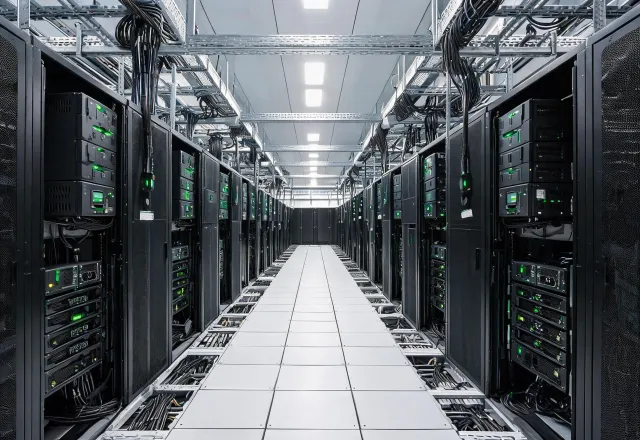
UPS supporting a data center electrical room
APPLICATION CONTEXT

Vertiv Ups planning across critical facilities

The load profile, interruption tolerance, maintenance window and environmental conditions change by application. These cards frame the questions a project team should resolve.

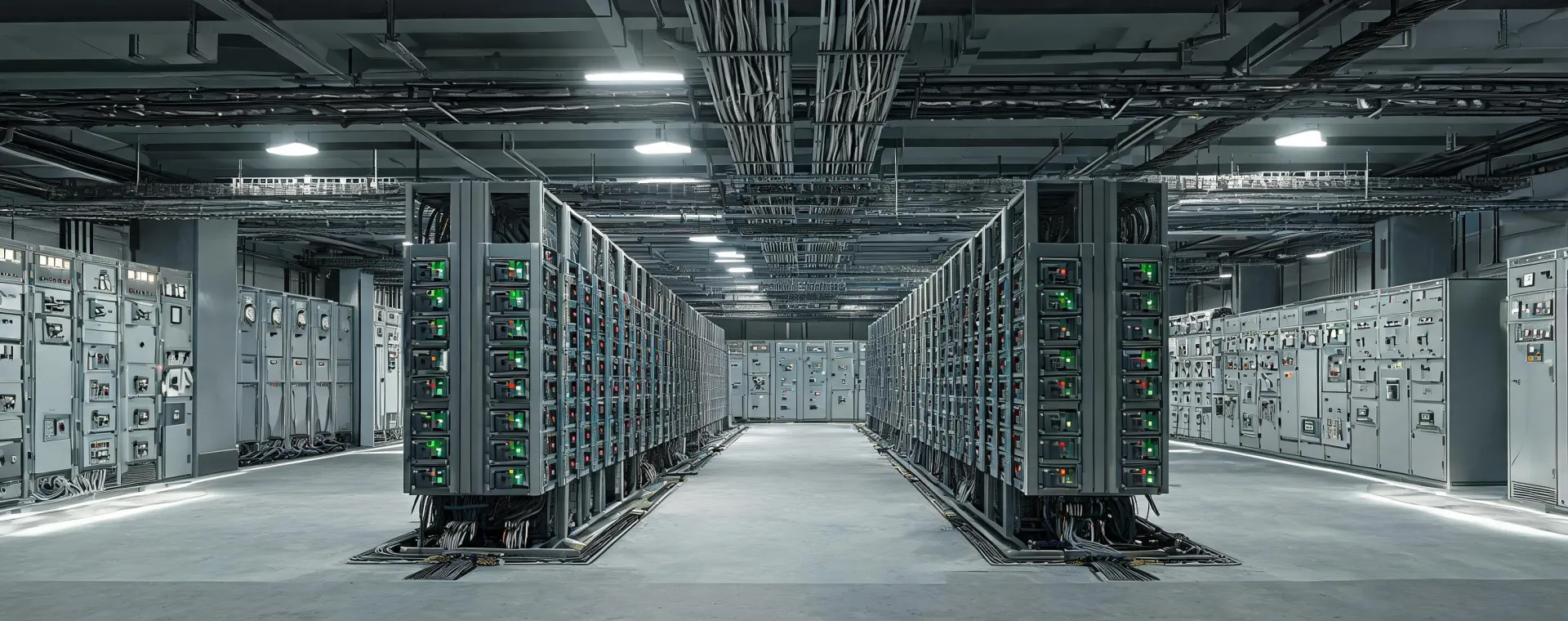
Data center UPS distribution aisle

Data centers

IT load growth, dual-cord architecture and maintenance without interruption drive the review. Confirm kW and kVA at the intended operating point, redundancy at module and system level, static bypass capacity, branch coordination and integration with building monitoring.
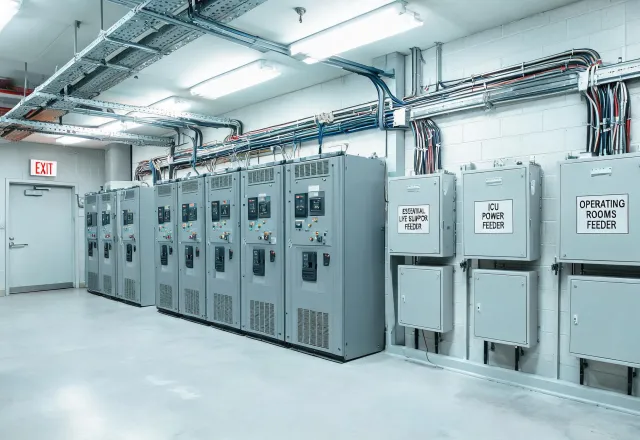
Hospital critical electrical plant

Healthcare facilities

Clinical loads require disciplined separation, documented transfer behavior and maintenance coordination. Project engineers must align UPS functions with applicable healthcare electrical rules, generator sequence, isolation, alarm routing and the authority having jurisdiction.

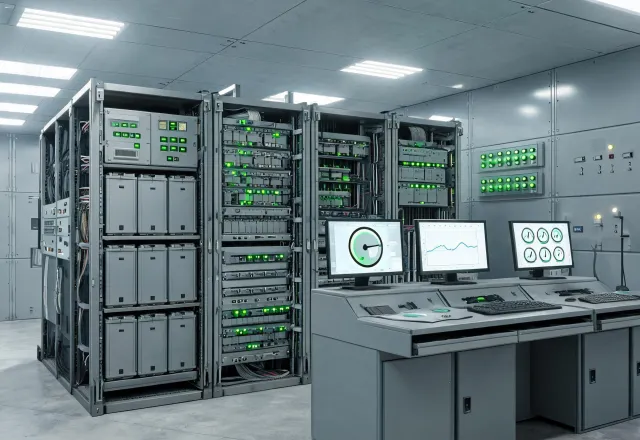
Industrial control room power continuity system

Industrial control

PLC, DCS, instrumentation and network loads can react differently to transfer events and harmonics. Identify nonlinear loading, crest factor, grounding, fault clearing, bypass source quality and the recovery sequence for the process—not merely the connected nameplate total.

Telecom network room UPS installation

Telecommunications

Distributed sites reward compact service procedures and remote visibility. The design basis should state autonomy, ambient range, battery access, communications protocol, alarm escalation and whether local technicians can safely isolate replaceable modules.

Commercial building security and controls UPS

Commercial buildings

Security, access, controls and communication systems may have different shutdown priorities. Segregate critical circuits, check available fault current, confirm upstream and downstream protection, and define which functions are served during extended utility loss.

Edge computing facility UPS

Edge sites

Limited space and infrequent staffing make service access, heat rejection and remote alarms central selection factors. Expansion modules can preserve flexibility, but unused bays, battery ageing and logistics still carry lifecycle cost.

4 inputsload, source, runtime, environment
3 pathsnormal, bypass, maintenance
2 marginsgrowth and redundancy
1 recordshared design basis

Two trade-offs worth documenting

Efficiency versus derating margin: higher utilization can reduce footprint and initial capacity, while conservative derating can improve thermal margin and accommodate growth. Compare both at realistic load points and ambient conditions.

Centralized versus distributed protection: a centralized UPS can simplify management; distributed units can isolate faults closer to loads. Evaluate service access, common-mode risk, spare strategy and monitoring effort on equal terms.

Limitations: efficiency figures vary by load and operating mode; battery autonomy declines with temperature, age and discharge rate; altitude and ambient heat may require derating; fault-current and selective-coordination conclusions require project-specific engineering data.

Map the power path for your facility

Share the application, load schedule and interruption tolerance for a structured review.